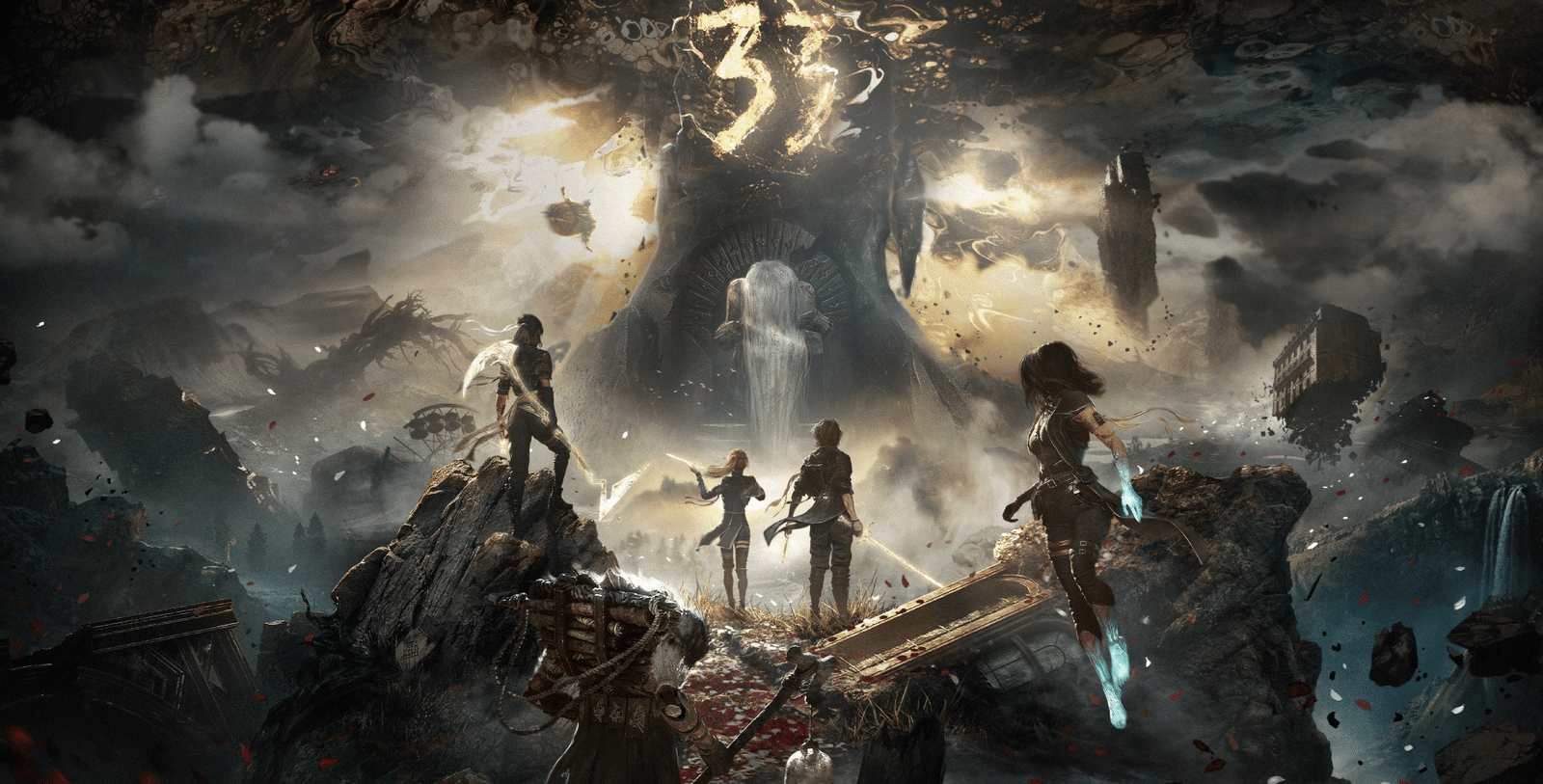
Clair Obscur: Expedition 33 – An Expedition Like No Other

Video games are truly a beautiful art form with how they can make us experience a wide range of emotions. They can make us laugh, make us cry, fill us with dread, anger and hope. I believe a game earns its flowers when it manages to successfully do this in a way that feels genuine and sincere. Clair Obscur: Expedition 33 is a game that not only achieves this feat but may very well become the new measuring stick for games to come.
One of my favourite tropes in storytelling is the beautiful tragedy so I will admit, my expectations going into this were quite high as this is a story concept that can easily be fumbled if certain attributes are not handled with the utmost respect and care. The team at Sandfall Interactive clearly understood the assignment and I can say with my full chest that we’ve been gifted a story that will not soon be forgotten.
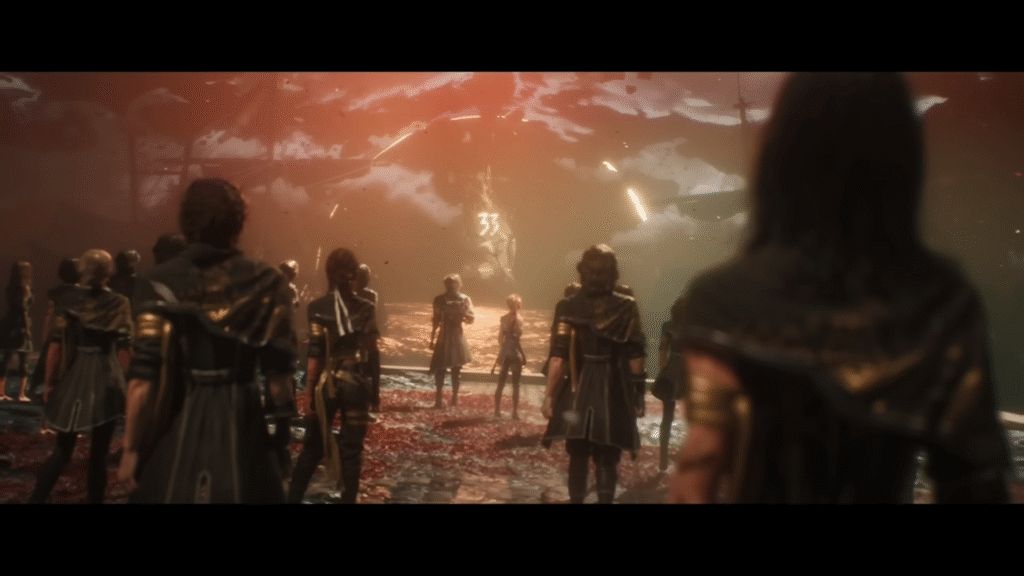
Our story begins on the island of Lumière on the day of the 67th Gommage. The Gommage is a yearly occurrence where an ominous entity known only as the Paintress awakens from her slumber to paint an ever-decreasing number on a mountain across the ocean. Should the painted number correspond with your age, you disappear, dematerializing in a sea of beautiful flower petals. The origins of the Paintress and the Gommage are ambiguous but every year after the annual Gommage, a small team of volunteers will venture forth on an Expedition in hopes of defeating the Paintress and ending the melancholic cycle. This year will see Expedition 33 set off in hopes of achieving what those before them could not and bring an end to the suffering of the Gommage
Because there have been 67 Expeditions before us, the game establishes a tone of hopelessness, grief and fear. That so many before us were unable to fell the Paintress, will we stand a chance to do so? The years pass by and the number being painted becomes increasingly smaller. Time is running out, and should we fall, the world is one step closer to an inevitable demise. With all of this in mind, a tone of hope, determination and conviction is also prominent in our main character, Gustave. Gustave is an engineer from the island of Lumière who has felt suffocated by the impending fate placed upon humanity by the whim of the Paintress and has chosen to captain the annual Expedition.
One of the most important necessities of a timeless game of this nature is its cast of characters and Gustave is a fantastic choice for a lead. He understands the stakes of the situation, he grieves those he’s lost and there is a human sense of fear of circumstance. The situation may seem hopeless but the alternative is not an option for Gustave. Should the Expedition fail, they will do all they can to aid the future attempts with knowledge of the path before them, a theme that is best encompassed by a prominent motif of the game’s story:
“For those who come after”
This motif is a very powerful one because it’s so commonly relatable. We face the concept of our own mortality every single day. We won’t live forever and with that knowledge, some will try and fight the sands of time to cheat fate, whereas others will strive forward, valiantly for the hope of all. Regardless, all will leave behind lessons and knowledge to bestow upon the next generation so that their expeditions will be a little bit easier.
This interpretation alone is why I’ve fallen in love with the storytelling of this game. It’s so relatable to the trials and tribulations of our own lives. For a game to truly captivate me, I need to feel like I understand the struggles of the cast and I want to see them succeed so that they can receive their happy endings. I definitely feel this way with the cast of Clair Obscur. An uphill battle is being fought but it’s one I want to see the characters overcome. If there’s even a slight chance of a better tomorrow, it’s always worth fighting for, just like in real life.
Alongside Gustave, we have Maelle, the adopted sister of Gustave. Maelle is far from approaching her age of Gommage, being only 16 but chooses to join the expedition not to save Lumière, but to break free of it. Maelle has never felt like Lumière was her home, losing her parents at a very young age and being passed from family to family. Maelle seeks freedom, self-discovery and finding life beyond a place that never truly felt like home.
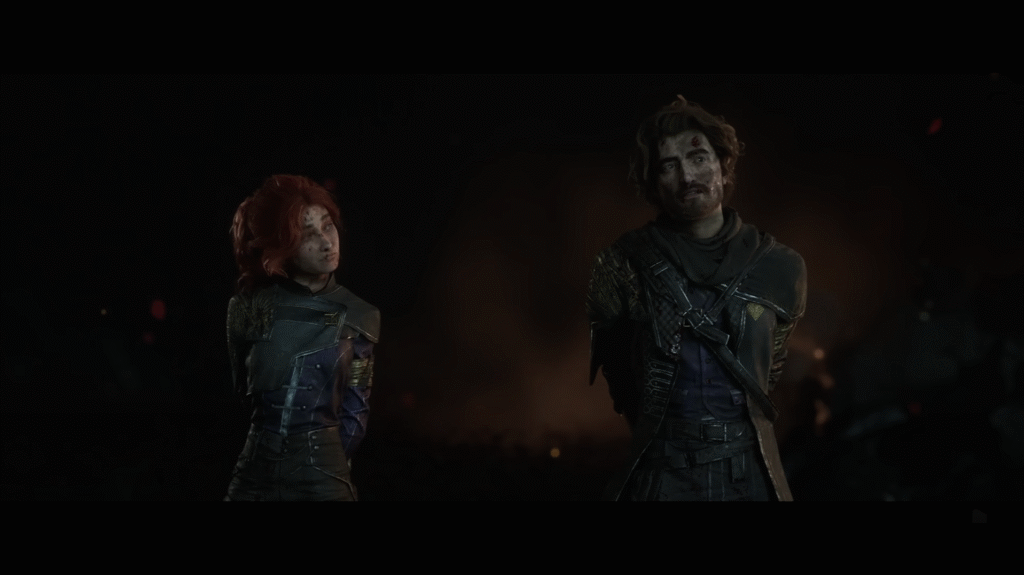
I find that writing a compelling teenager is a very delicate process because it’s too easy to lean into stereotypes and borderline comical tropes you’ll tend to find in popular media. Maelle is a naive individual but never in a way that feels grating. She’s sincere, endearing and the most important part, relatable with her ambitions. Genuine characterisation is a running theme with how our cast of characters are presented to us, this is something that does not let up as you continue through your adventure and encounter new allies who will join you along the way. Characters such as Lune, the daughter of prominent researchers on the island of Lumière, and Sciel, a farmer turned teacher who has become at ease with death, living day by day. As Expedition 33 embarks for the continent, you’re right there alongside them, wanting each one of them to succeed in their journey to bring down the Paintress once and for all.
There are countless twists and turns, none that ever feel cliché or drawn out. Whenever you think you know what’s going on, the story is always three steps ahead with new curveballs to shake up what you think you know. Every high and low of the story hits hard and resonates in a way that will tug on your heartstrings. There were countless moments in the story that had my jaw dropped, tears in my eyes and invigoration in my chest. It’s been quite a while since a game has made me feel the way that Clair Obscur has and that circles right back to my opening remark of games being a beautiful form of art. It’s experiences like this that remind us why we picked up a controller in the first place. I can only hope that video game studios see what Clair Obscur has done and take notes because this game is nothing short of a masterclass of the medium.
The combat in Clair Obscur is turn-based. During the player’s turns, you can perform basic actions like melee attacks, use items, or spend AP (A pool of points you will acquire from attacking, parrying etc.) to perform powerful abilities or strike from a distance using the free aim mechanic. During the enemy’s turns, the player has the ability to dodge, parry, jump, and gradient counter. Of the four, dodges are the easiest to pull off, whilst parrying requires precision and timing. Clair Obscur is all about risk vs reward, whilst dodging provides the player the chance to learn enemy attack patterns, it does not restore AP. Parrying on the other hand restores AP for every successful parry you pull off. If you parry every attack in an enemy combo, or each member of the party parries an attack in an enemy’s scattered attack, you’ll automatically counter for big damage. Jumping on the other hand is a special type of dodge that can only be achieved when you see a yellow jump icon flash before an attack which if successfully done, can lead to an instant counter-attack. Gradient counters will only be used for specific enemy attacks, indicated by the screen shifting to a foggy monochrome and just like with jumping, gradient counters lead to instant counter-attacks.
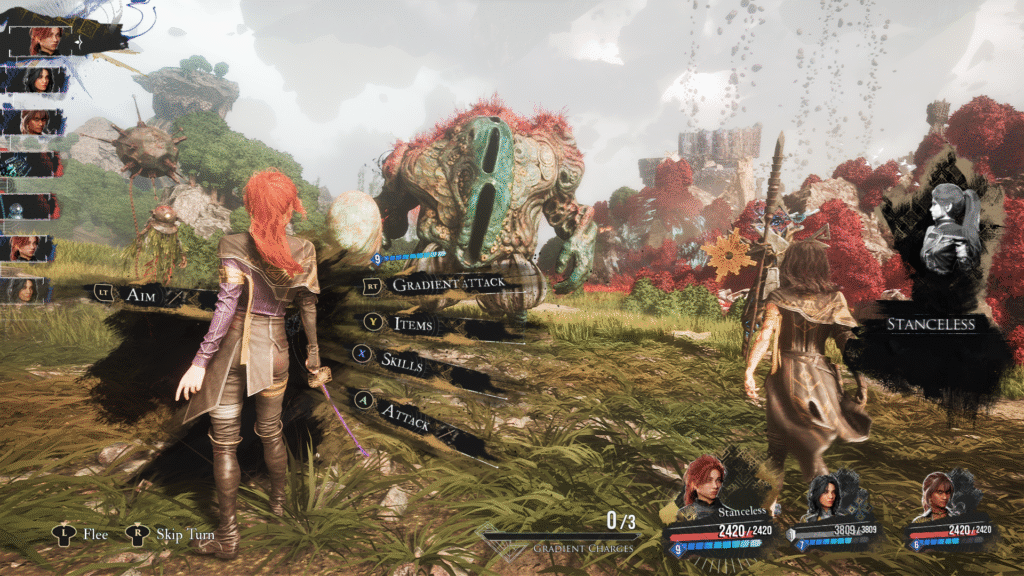
With so many different options, one could argue this will result in confusion and feel overwhelming. I never found this to be the case, and very quickly I became comfortable with the options in my arsenal. The systems in place work together well and provide a dynamic playing field where every fight feels involved and enjoyable. Learning patterns of your enemies and successfully parrying a chain of attacks consistently feels like a victory in itself, even before you reach the battle victory screen. I will confidently say that Clair Obscur will win over doubters of the turn-based genre with the unique approach it has opted to take with its combat ingenuity.
Your creativity will truly flourish courtesy of an equippable collective of items known as pictos. As you progress through the continent, you will find many of these items that will grant your character various alterations and effects that will aid you in battle. Effects such as granting you healing on a successful parry, extending the duration of status afflictions and even a picto that uncaps the 9999 damage limit. While playing, I ended up building my party around a specific set of pictos. Auto Death, paired with Death Bomb instantly killed two of my characters the moment the battle started, inflicting damage to all opponents. Breaking Death activates which charges your enemy’s break bar to full and Burning Death applies 3 stacks of burn to all enemy’s on the field. Energising Death provides allies with 4+ AP instantly and Shielding Death strengthens your party with 3 shields each. To seal the deal, First Strike activates allowing you to play before your enemy. There’s so much room for unique strategies that no two playthroughs of Clair Obscur will truly be the same.
A rose is not without its thorns and I believe the imperfections with Clair Obscur start to rise to the surface in the game’s general traversal. You’ll definitely want to take in the beautiful sights and sounds in the numerous vibrant locales. However, outside of the overworld, the game does not offer a map to help navigate the various locations that you’ll explore. I enjoyed the idea of feeling like an adventurer visiting an unknown location for the first time. The issue is there is a lot of backtracking due to the numerous paths you can take, you are bound to get lost once or twice along the way. My gripe is the stolid walk speed. The novelty of briskly wandering through these locations is lost after your first visit and you’ll find your finger glued to the sprint button. Why the sprint is not a function you can toggle, considering how heavily utilised the mechanic has me perplexed.
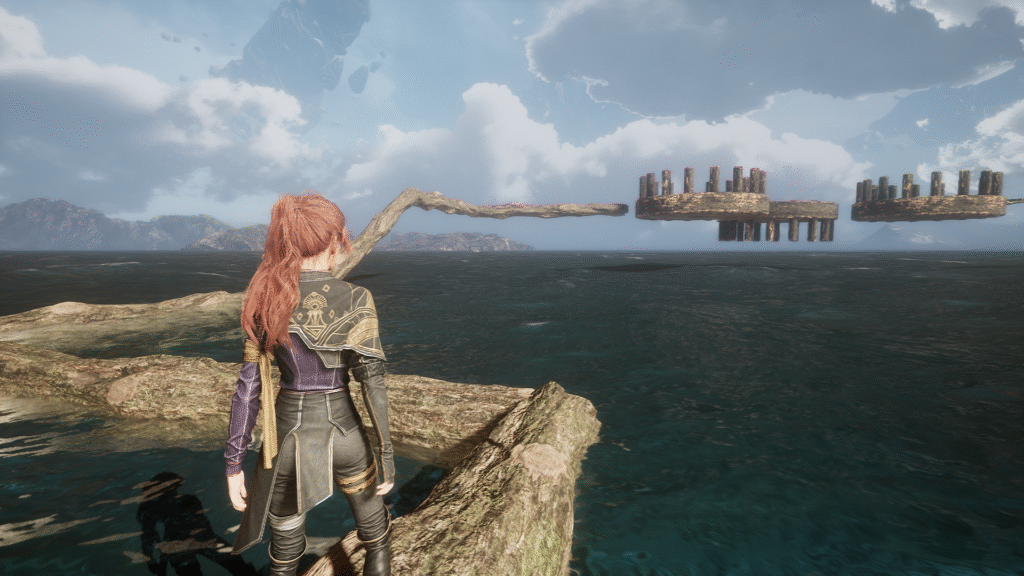
On the subject of blemishes, Clair Obscur’s platforming is an aspect that I believe needs careful evaluation. You will encounter sections along the way that require precise platforming, including challenges for unlockable items. These sections feel like a chore with imprecise jumping and momentum, leading to your fair share of failures. Falling from a specific height will also lock your character into a roll upon landing that is very difficult to re-route, so if you didn’t miss your jump you will likely be rolling off the edge of a platform instead. Any instance of being made to participate in the platforming aspect of Clair Obscur took me out of the experience and rather than celebrating its completion, I was relieved it was over and done with. Luckily, these sections are not plentiful so while unpleasant, they aren’t a dealbreaker.
Clair Obscur does not offer a traditional fast travel function and while this might not seem like an issue for those looking to just follow the main story, for completionists, it’s quite tedious. The world map is massive and for those looking to find and see everything, you will be back-tracking a lot. This results in a lot of down-time between action and it feels quite deflating. I opted into a completionist approach as I was determined to get the most out of the experience, but there were several instances where I questioned if it was worth the monotony of having to spend real-time minutes getting from point A to B. I understand the design choice since you’re meant to be an expeditioner, traversing across the land, but there are some instances where sacrificing convenience for vision can become detrimental.
Along the beaten path, you will come across quests and interactions that, while optional, I recommend fleshing out to get the most out of your time with Clair Obscur. Within these optional quests and interactions, you will uncover more of the world’s lore, the expeditions that came before you and story beats you will miss otherwise. This additional content had me engrossed with the game, making the experience all the more memorable. The game is very story-rich, being where it shines the brightest, so the decision to have a hearty amount of the established lore being locked behind optional content a regular gamer may miss is puzzling. A frustration I have is that there is no real journal system to keep track of tasks you’re currently undertaking. It is very easy to get overwhelmed with everything that’s going on and with how big the world is, you may likely end up forgetting a place you were meant to visit to complete a task you started 10 hours ago.
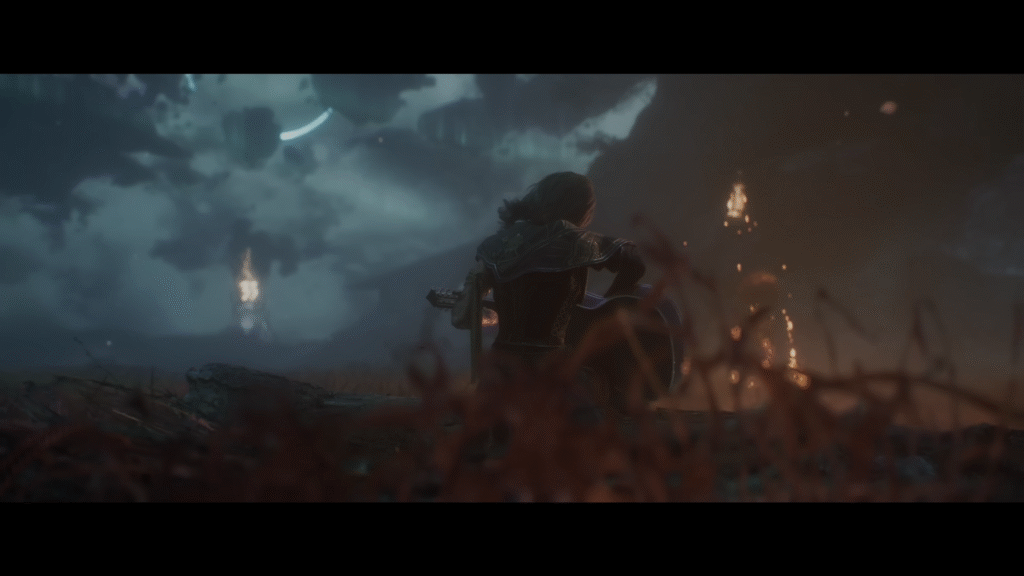
One of Clair Obscur’s strongest aspects is its soundtrack. Every location in the game is accompanied by a beautiful backing track to accompany the experience that left my senses heightened and my heart warm. The countless battles and impactful story moments of the game hit all the harder courtesy of the compositions that accompanied. Very rarely can I say that a game knocks it out of the park perfectly with its musical offerings, as you tend to find the occasional flat track that doesn’t feel as memorable, but I cannot say the same for Clair Obscur. Lorein Testard, the game’s composer, has created the very definition of art with this soundtrack. The fact that this is the first feather in their cap of game composition legitimately blows my mind. This is not the last we will be hearing what Lorein can bring to the table as I am certain other studios have taken note of their talents. This is a future I am very excited to be part of.
On the topic of sound, Clair Obscur manages to nail its general sound direction in spades. Your attacks sound meaty, parries sound impactful, even simply picking up items or pressing the action button on a flag to rest. Everything you do feels like it has a purpose behind it, making the experience feel sensational. The numerous locations in the game feel alive with the accompanying ambient audio catalogue. The sound direction will actually aid more than you think since attacks being tied to specific sounds will teach the player enemy attack patterns and how to time dodges and parries. By remembering these patterns and audio cues, you will be besting your enemy’s very quickly. It’s not very often that I would compare a turn-based game to a rhythm game but hey, here we are.
Clair Obscur touted beautiful visuals in all of its promotional material leading up to the release and while I was engrossed prior to playing, a reservation did occur where performance may hinder an otherwise memorable gaming experience. This is not uncommon with more modern releases, examples such as Silent Hill 2’s remake and Final Fantasy XVI. Both suffer from notoriously disappointing PC performance. I am rocking a NVIDIA GeForce RTX 4060, running the game on the default high graphic preset, quality DLSS scaling with the max FPS set to unlimited. The game managed to remain beautiful and fluid for my nearly 60-hour runtime with no frame-drops or slow-downs. Rare stuttering occurred but I have come to expect this in modern games with large areas of exploration and high fidelity graphics. Such is a necessity to render sections in while playing to reduce general load times.
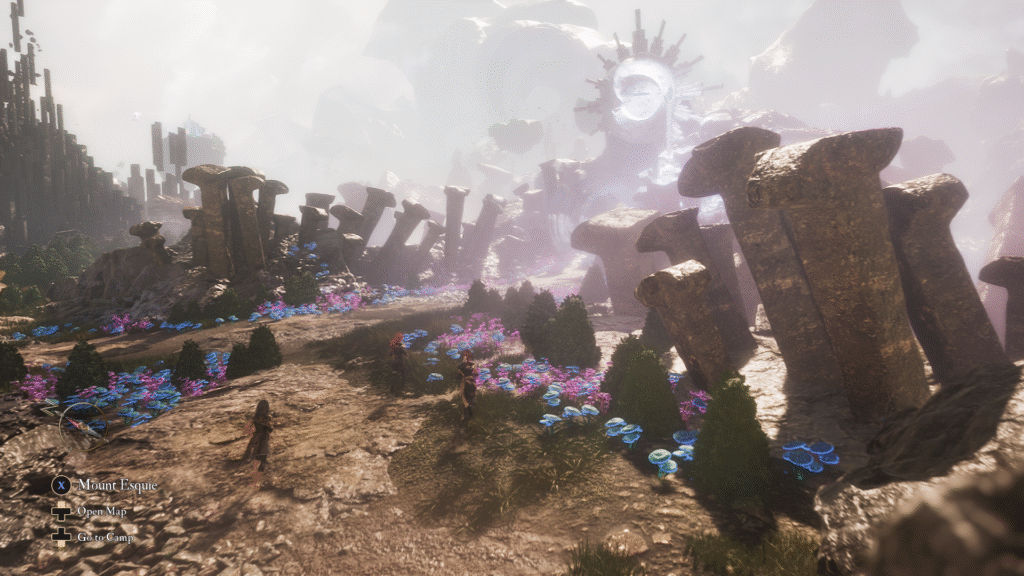
In the overworld, I did experience texture pop-ins and weird lighting hiccups while utilising the later game’s mechanic of flight. Granted you are high up and the game is forced to render a large portion of the map as a result, I’d be disingenuous if I omitted the observation. Games like Shadow of the Colossus have shown us the trickery of effects to mask limitations and the further we progress into gaming’s natural evolution, I would love to see certain tricks like this return to the sphere.
Personality is something that Clair Obscur is not short of in the slightest. Everything from the character interactions within your party to those who you will encounter along the way. You will grow attached and want to root for these characters because, in truth, they feel like real people. You discover this more as the game eventually allows you to have one-on-one time with these characters where you will learn more about them and allow you to share a deeper connection. Personality is not limited to the immediate interactions but even in the visuals. As you take damage in a battle, you will see your character look progressively battle-worn, the scars and blood of the fight prevalent. Even the backdrops and set pieces are their own characters in a way. Nothing feels as if it was presented without purpose.
If a picture is worth a thousand words then Clair Obscur: Expedition 33 is a vibrant canvas with a prodigious narrative. Sandfall Interactive’s first offering to the medium is one that will stand the test of time, despite the brief missteps along the way. If turn-based games are not your cup of tea, Clair Obscur may end up being the game that convinces you otherwise, opening up a whole new world of experiences for you to embark upon. Regardless of where your gaming journey may take you next, this expedition will stay with you for a very long time. If this is what awaits us in the future of gaming, I eagerly await the horizon ahead.
“Tomorrow comes”
- A truly captivating and memorable story
- Stunning graphics, set-pieces and visual elements
- Phenomenal soundtrack and general sound design
- A fresh take on turn-based combat with countless possibilities
- Well-written and likeable characters
- Unintuitive and frustrating platforming sections
- Backtracking can be an arduous chore
- No conventional journal system for tracking side-quests
Clair Obscur: Expedition 33 is available now for Playstation 5, Windows PC & Xbox Series S/X.
